



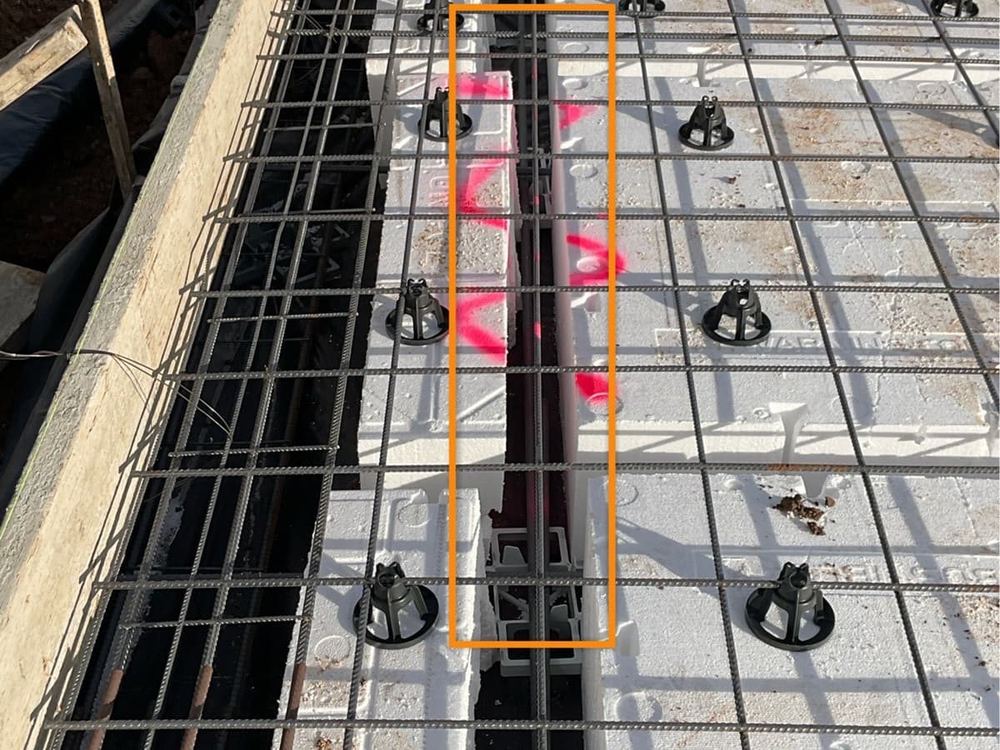
When to book each stage inspection on a Tarneit build
Slab, frame, lock-up, fixing and PCI: the right moment to inspect each stage and what is lost if you miss it.
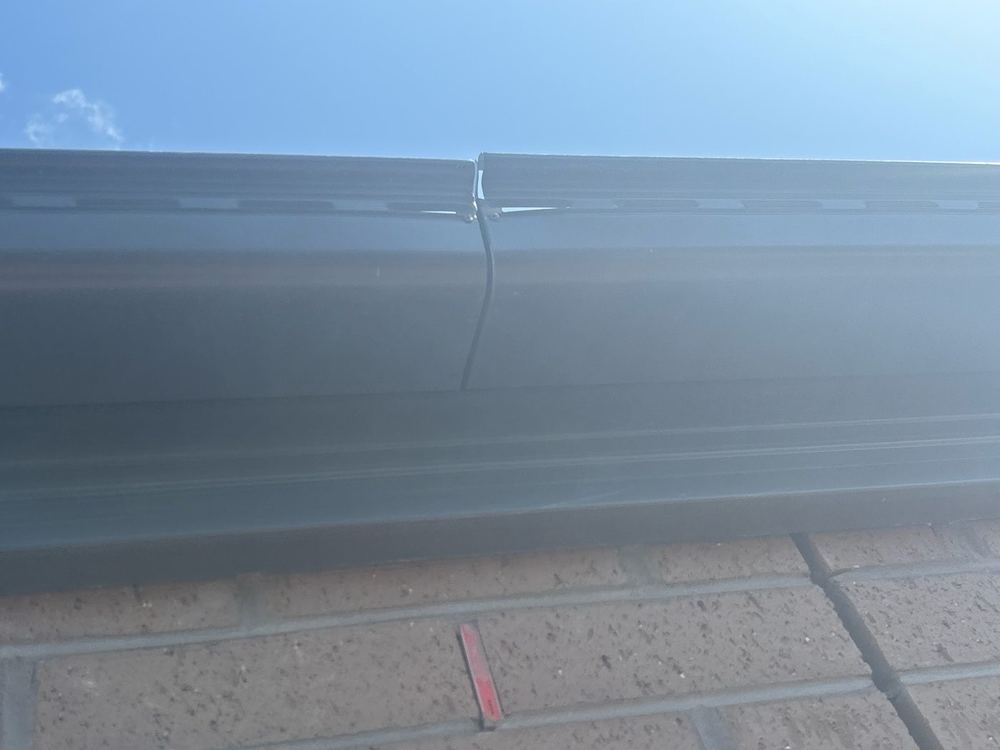
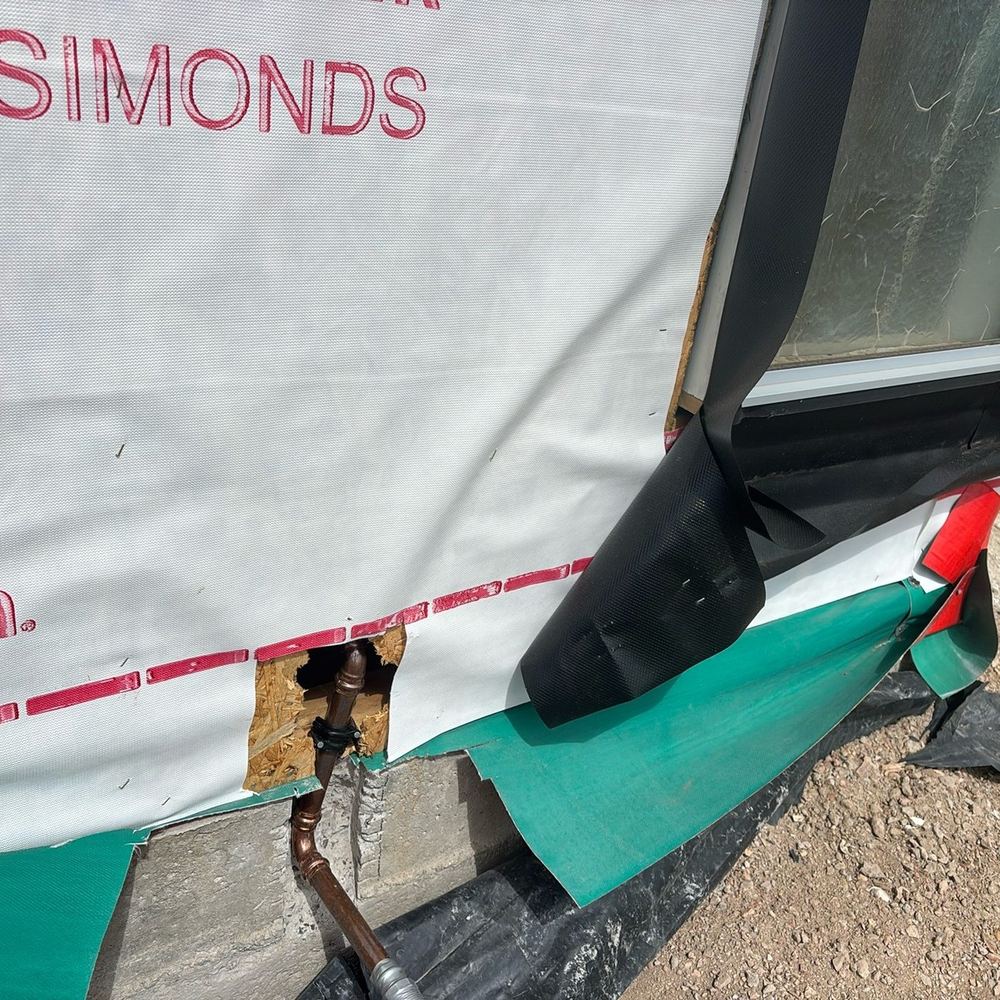
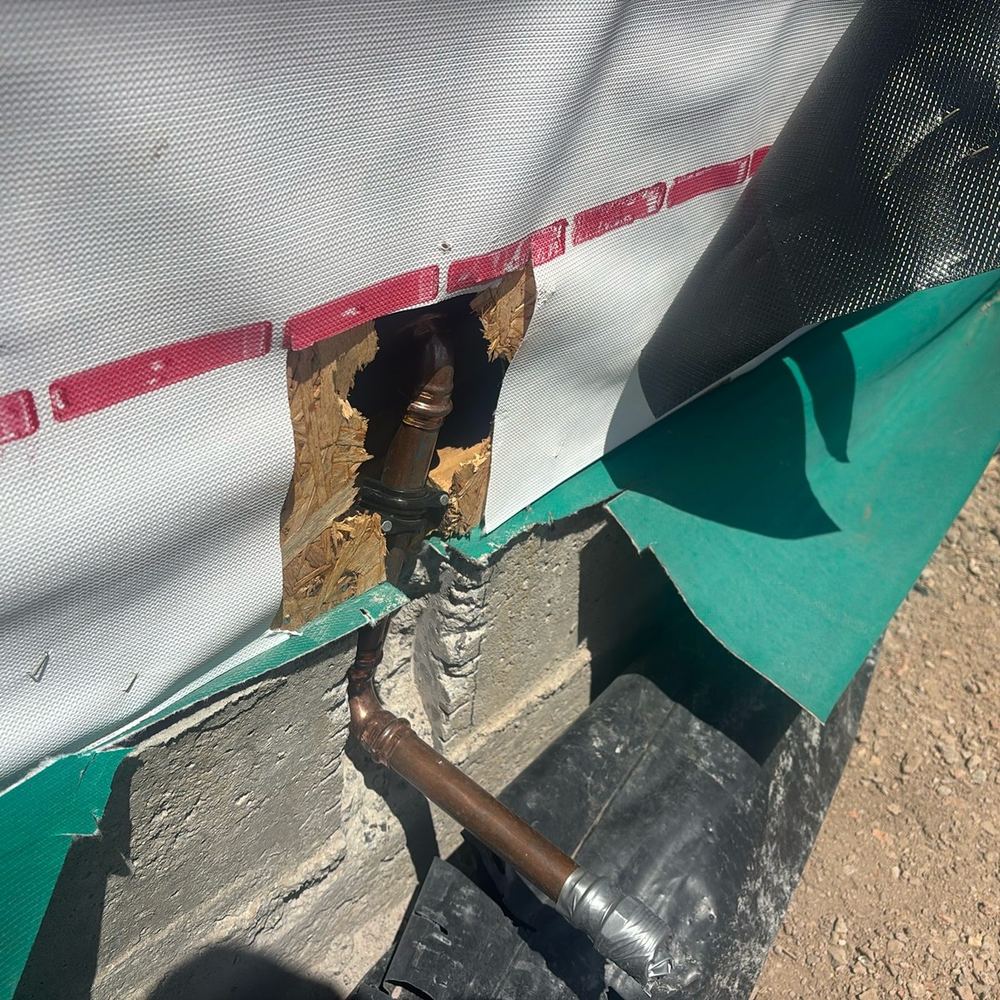
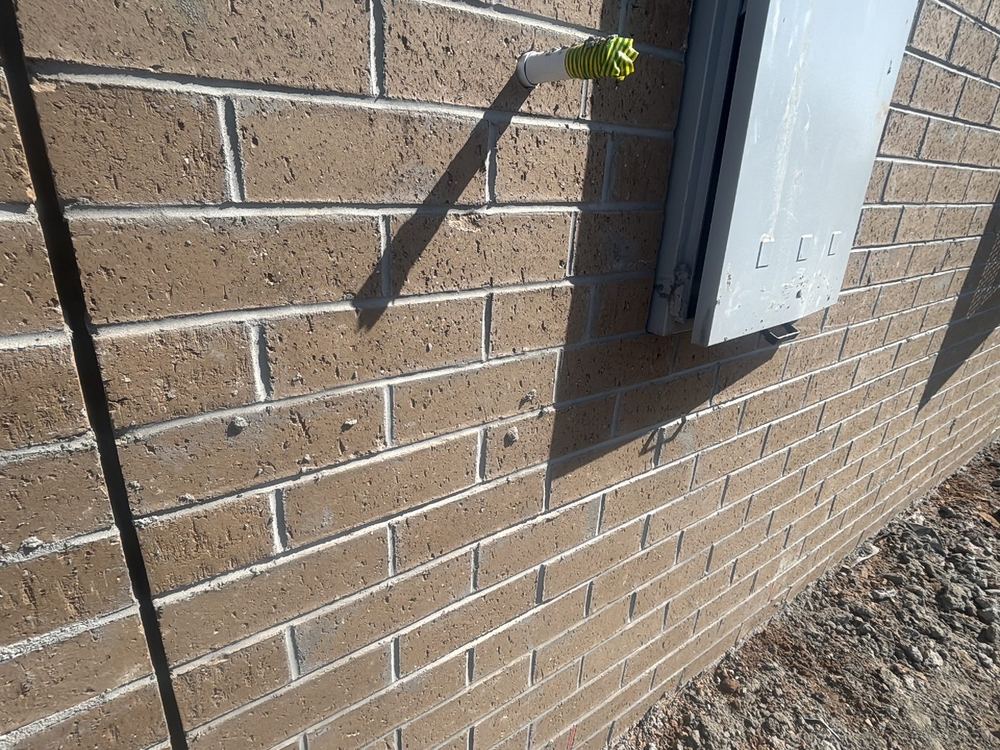
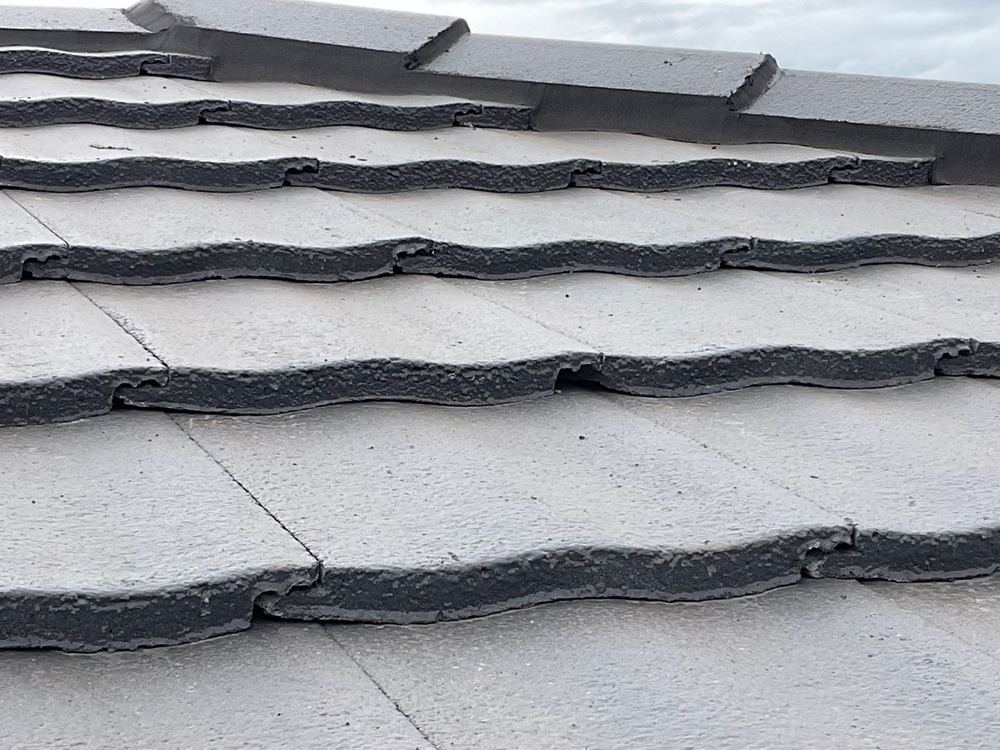
Lock-up is when the roof, brickwork and windows are on and the home is weather-tight. It is the last look at flashings, wall wrap, brick ties and the roof space before plasterboard hides them.
Water entry at windows and garages is the most common warranty claim we investigate on Tarneit homes under five years old, and almost every one traces back to a flashing or wrap detail that was visible at lock-up. Rendered upper floors on double-storey Tarneit homes also need their control joints and cladding fixings checked before render.
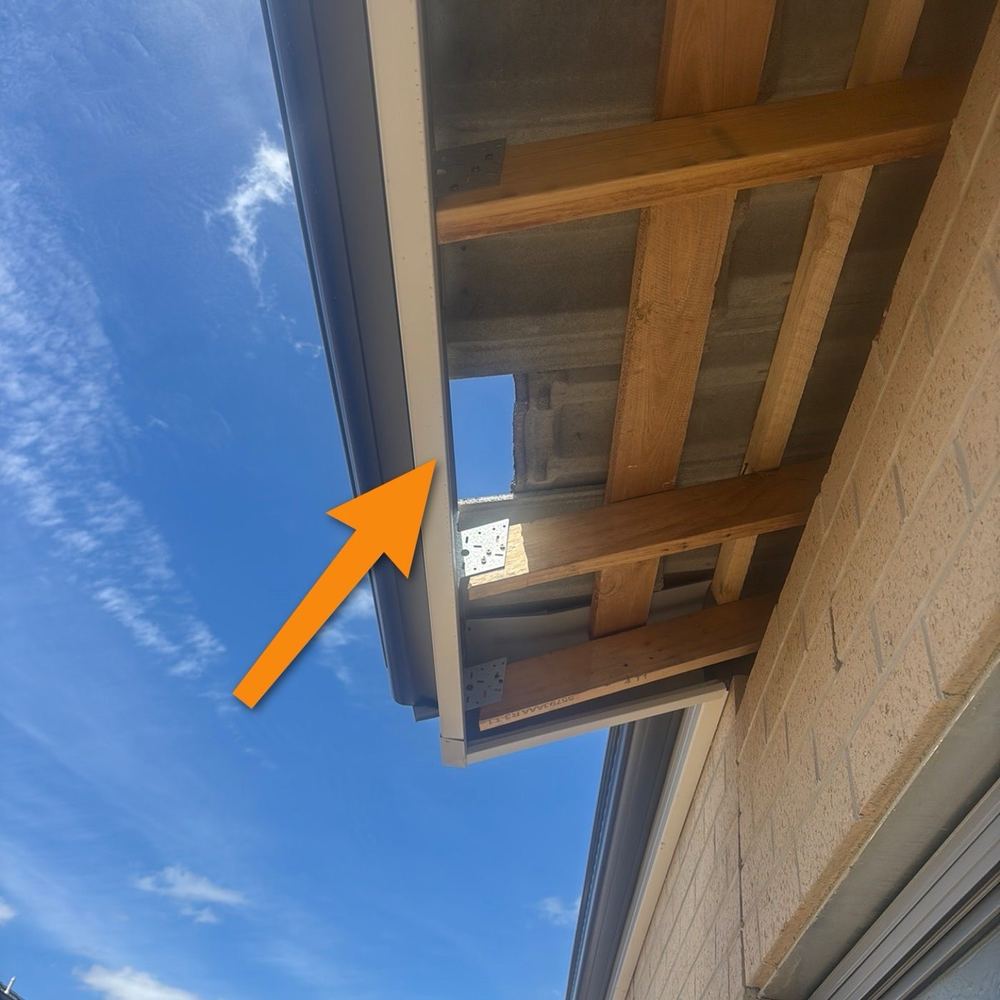
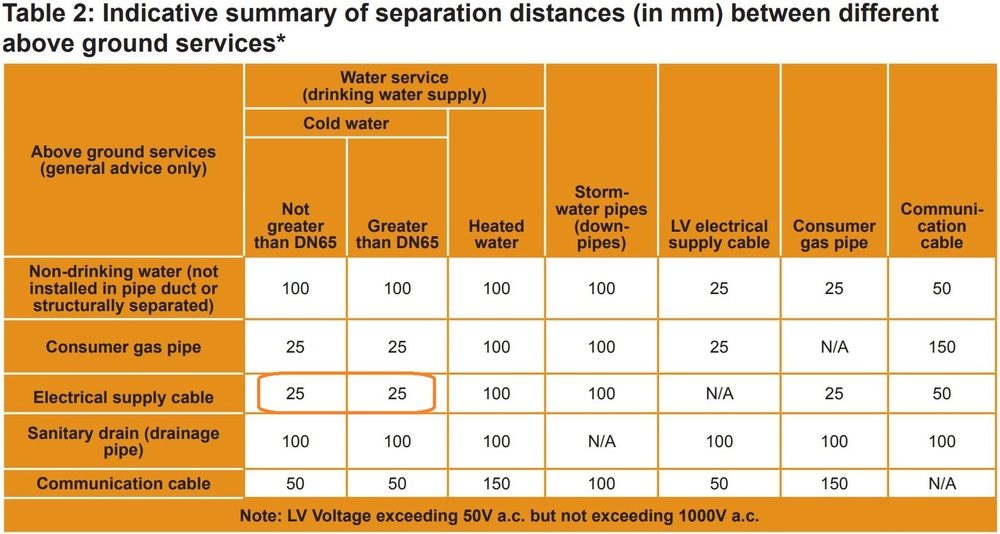
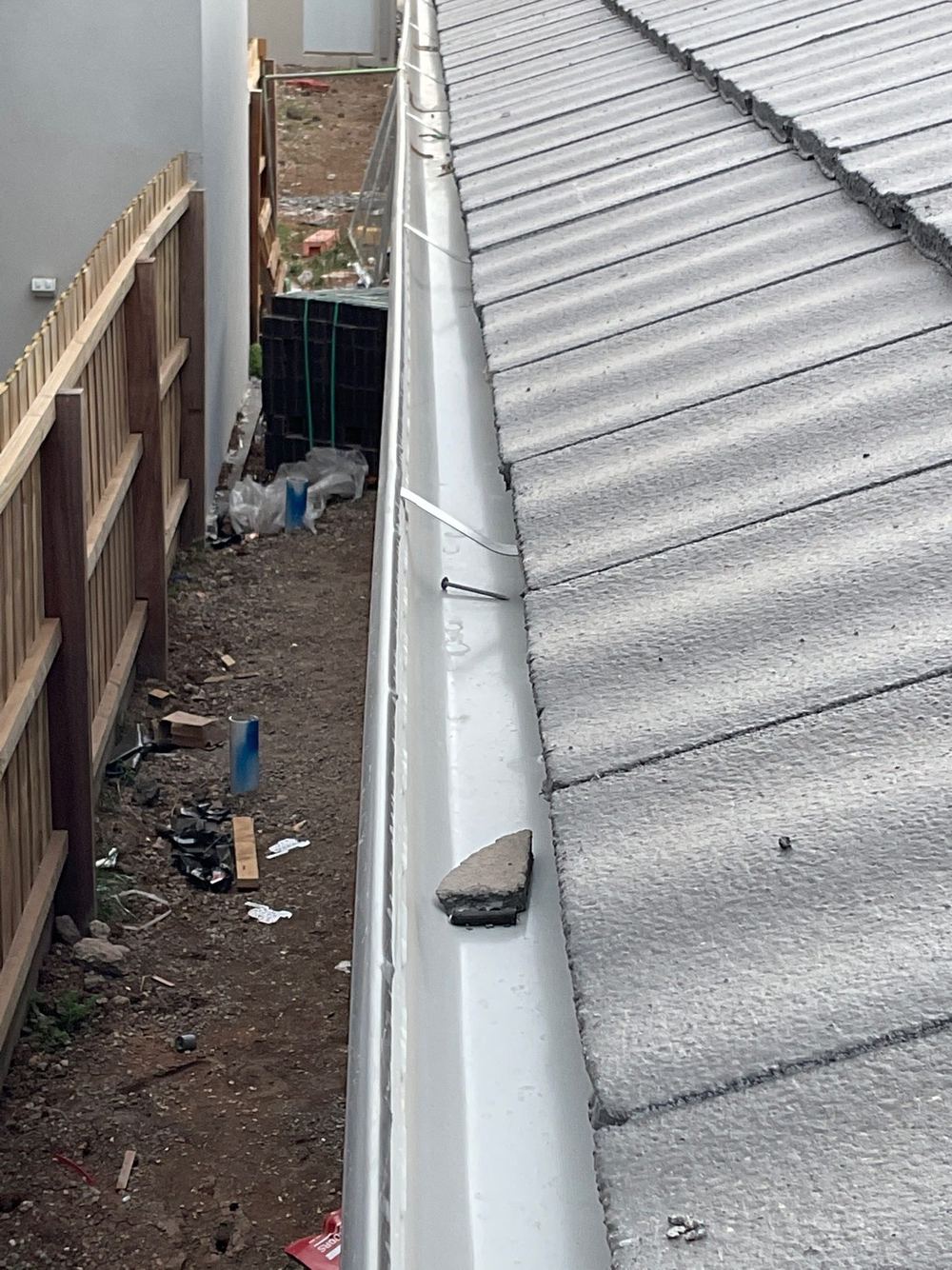
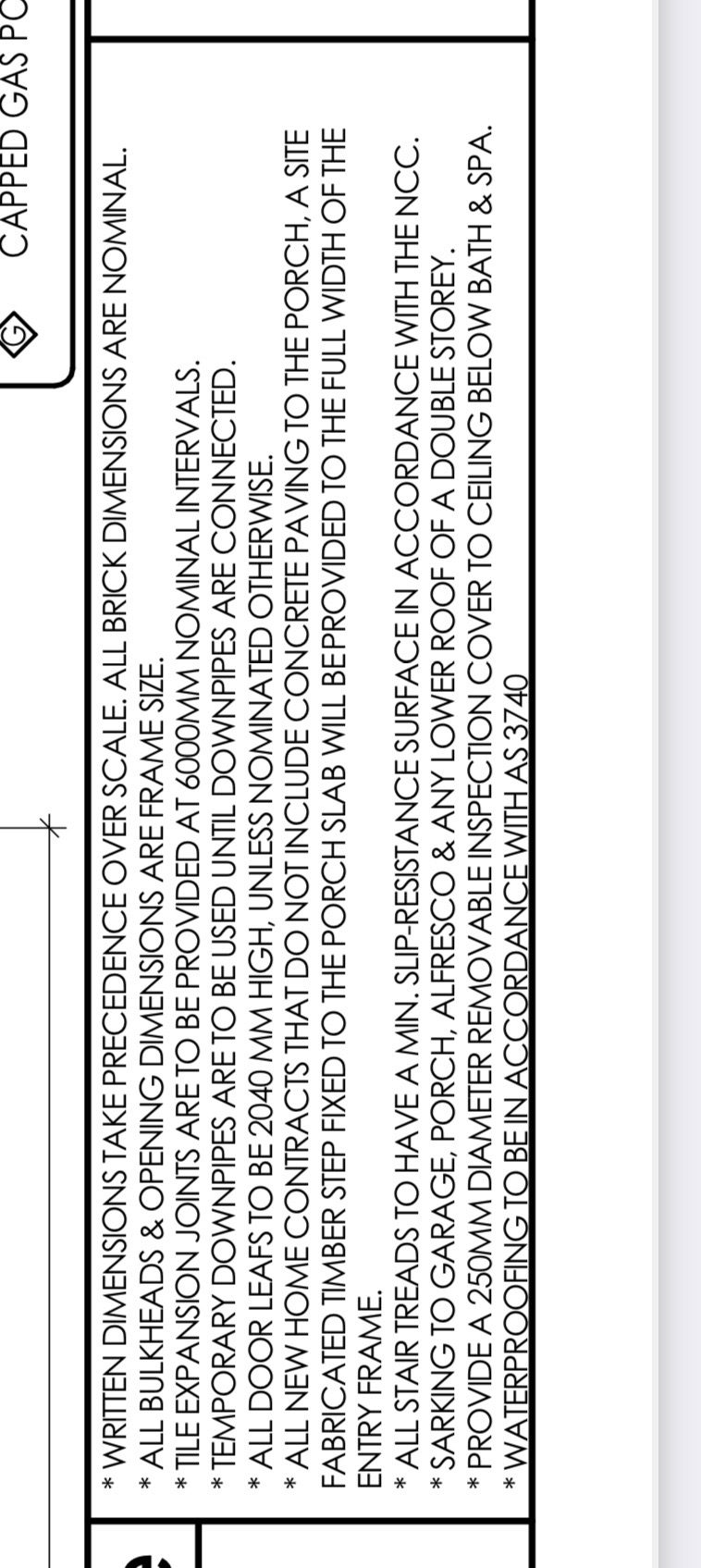
Annotated findings from Lock-up (pre-plaster) inspections on Tarneit builds. Client addresses withheld.
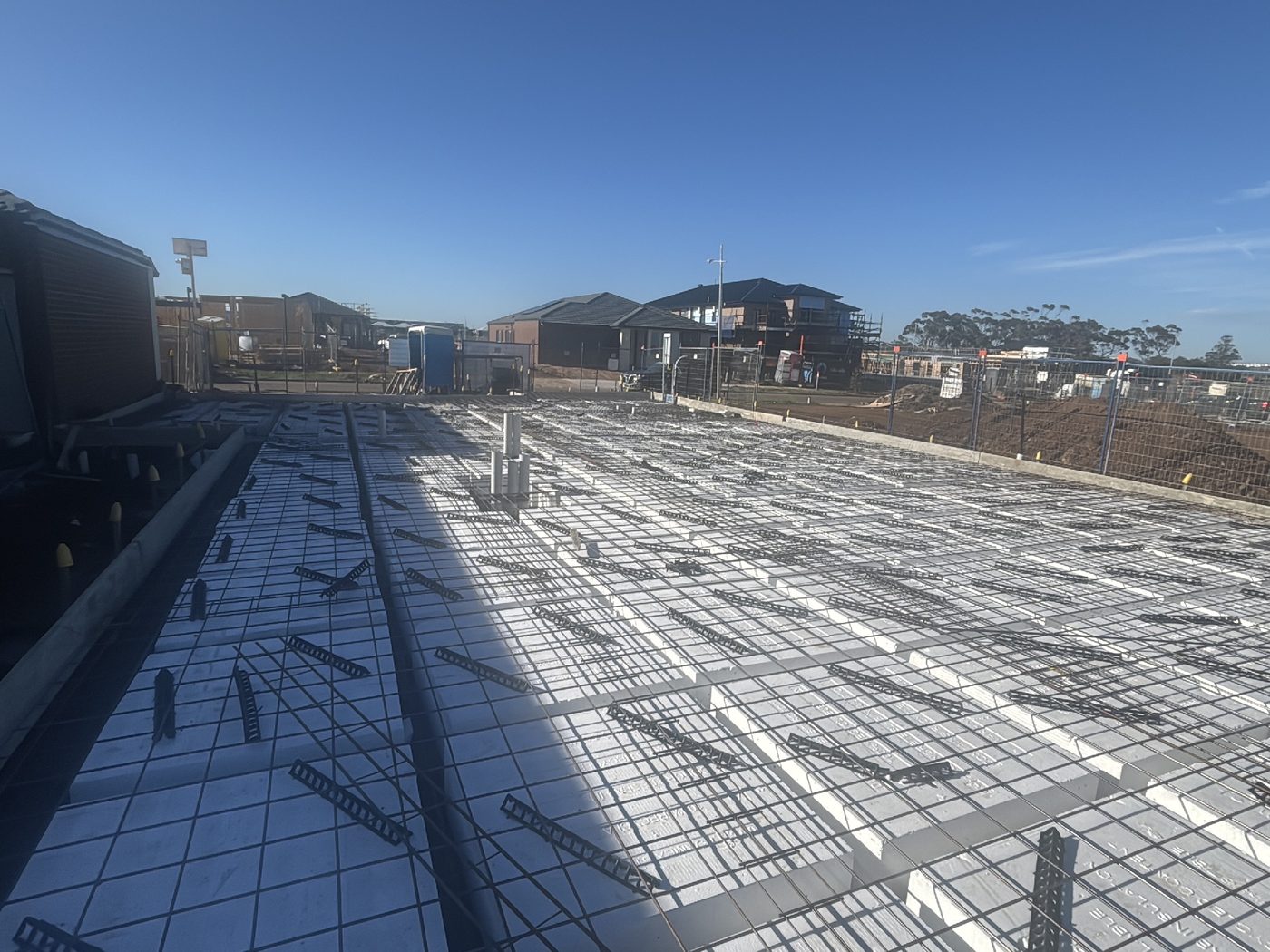 1Bored piersAfter the piers are drilled and steel is placed, before concrete2Slab pre-pourThe day before the concrete pour
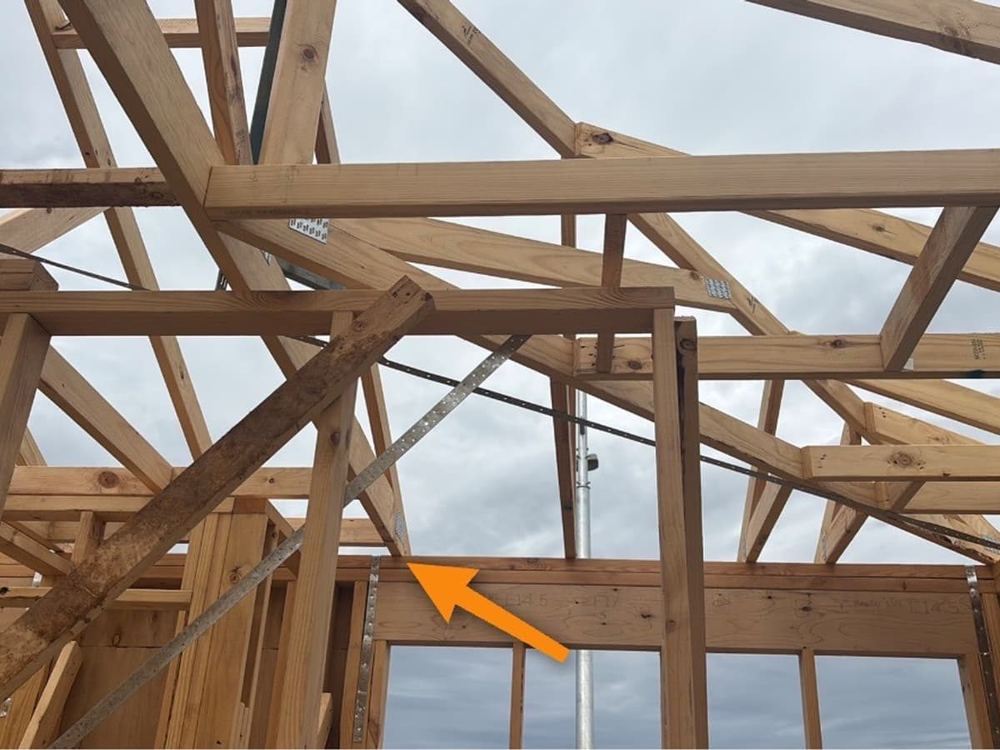 3FrameAfter roof trusses are on, before wrap, sarking and roof cladding
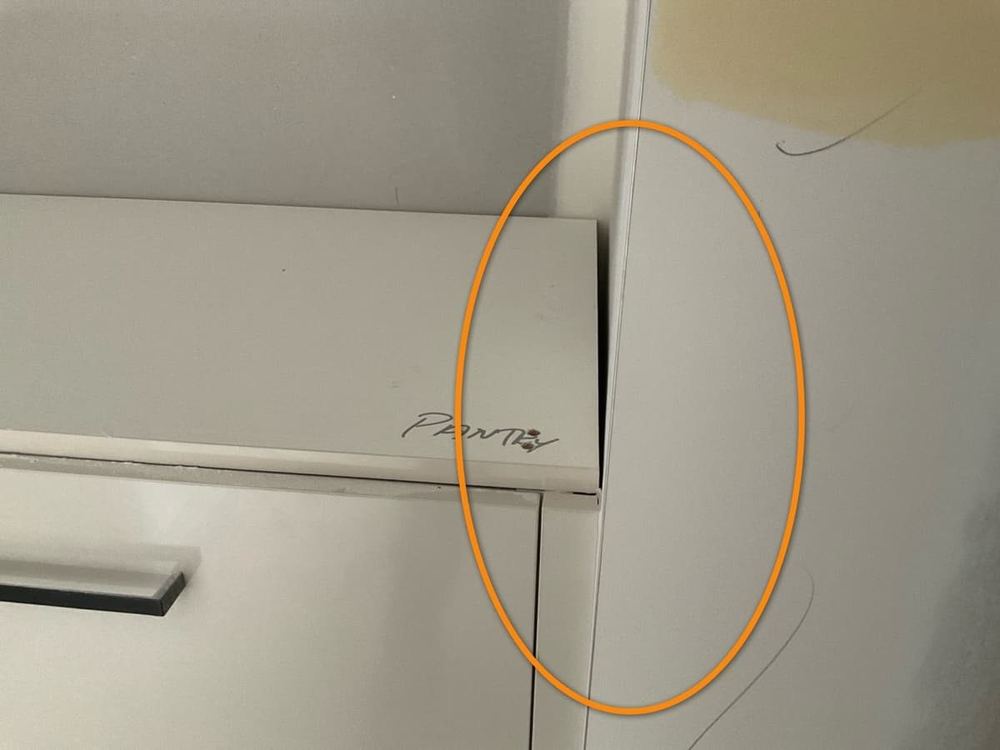 5FixingAfter plaster, doors and cabinetry are in, before paint
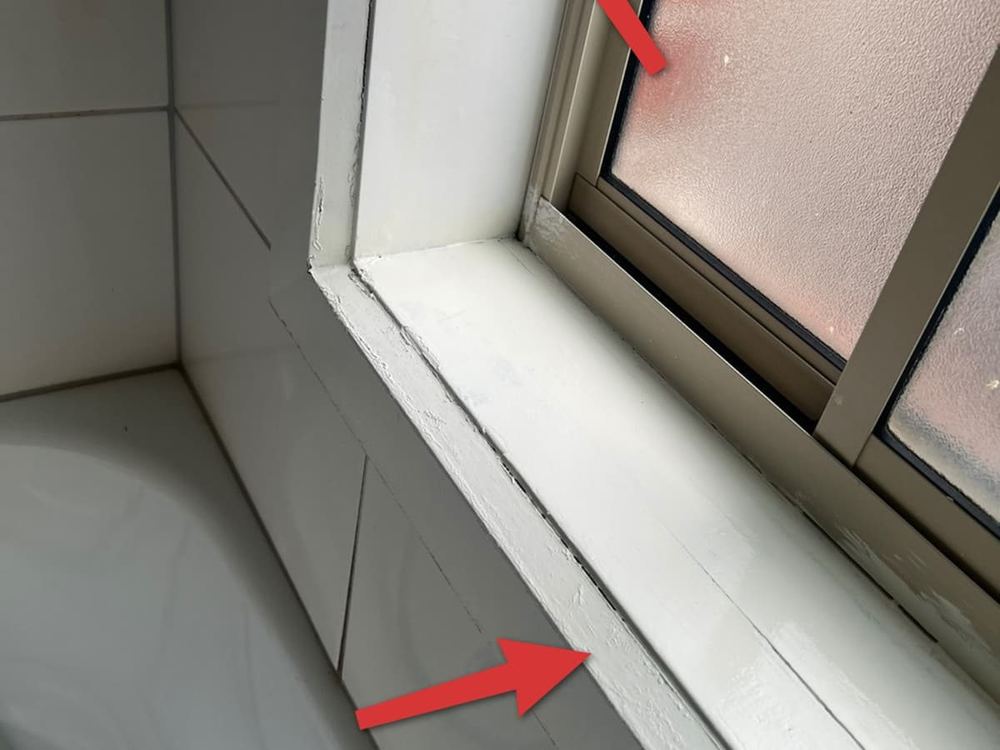 6WaterproofingAfter the waterproofer finishes, before the tiler starts
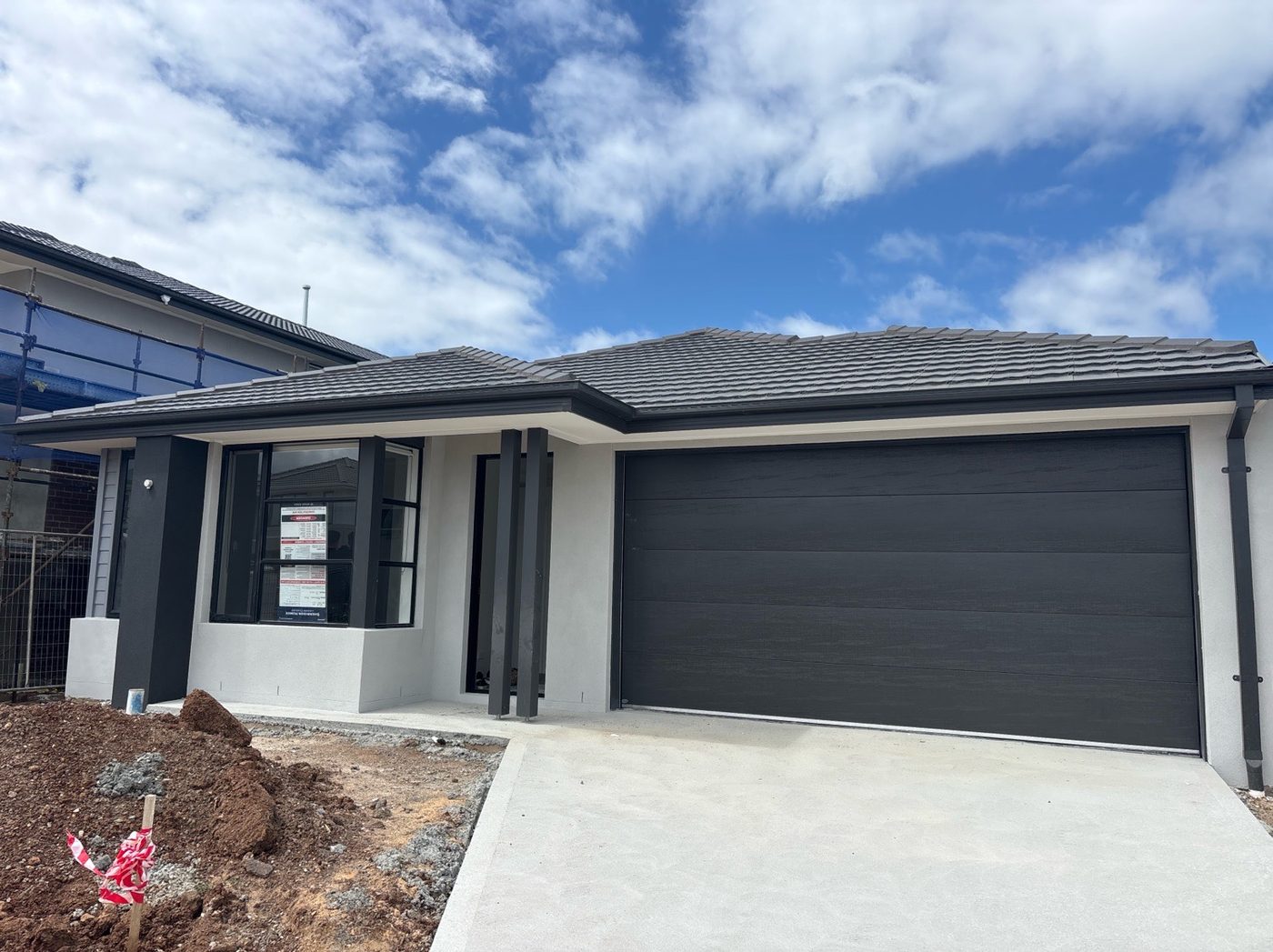 7Pre-handover (PCI)At practical completion, three to five days before the builder's walk-through
Slab, frame, lock-up, fixing and PCI: the right moment to inspect each stage and what is lost if you miss it.
Straightness, bracing, tie-downs, lintels and openings. The frame stage is the last time the structure is fully visible.
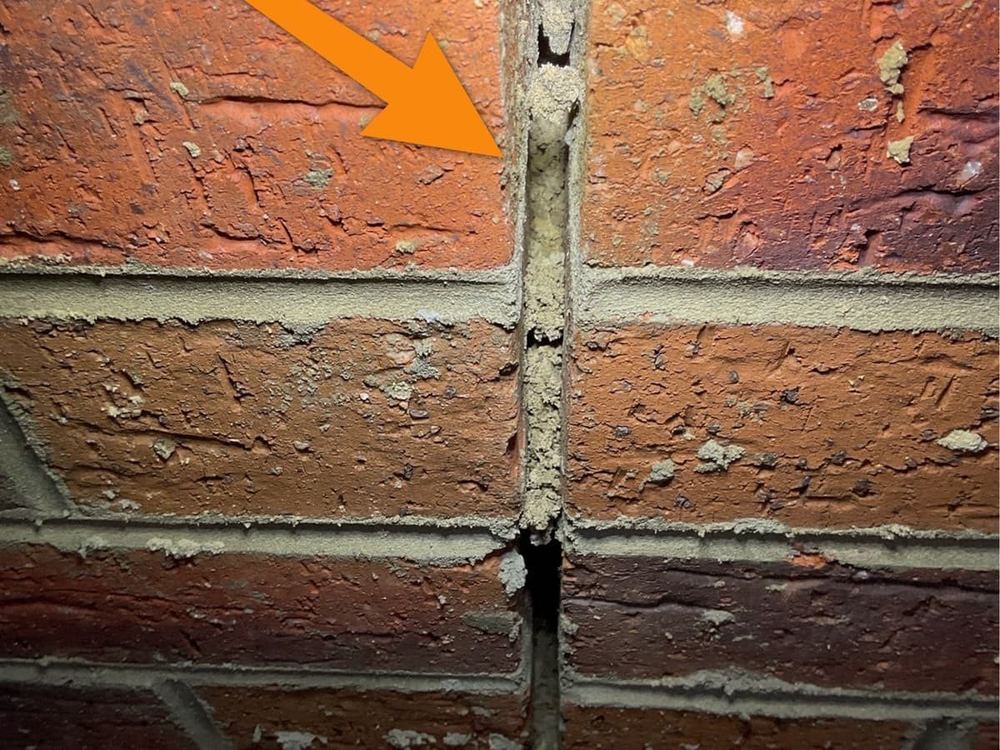
Flashings, wall wrap, brick ties and mortar joints at lock-up. Membranes, upturns and falls before tiling. Two checks that prevent most water problems.
Instant online pricing, or talk to the booking team on 1300 471 805.
Yes. Some builders call it pre-plaster because the key point is that plasterboard has not gone on yet.
Yes, where there is safe access. Roof space services, insulation, sarking and truss fixings are part of the inspection.
Almost always. Flashings, wrap and mortar are quick to correct at this point and expensive once lined.
Yes. The key point is that plasterboard has not gone on, so flashings, wrap and brick ties are still visible.
Where safe access or a drone allows. Roof battens, tile fixing, ridge and valley details are all part of the inspection.
Almost always, and cheaply. That is the point of inspecting at this stage.