



When to book each stage inspection on a Tarneit build
Slab, frame, lock-up, fixing and PCI: the right moment to inspect each stage and what is lost if you miss it.
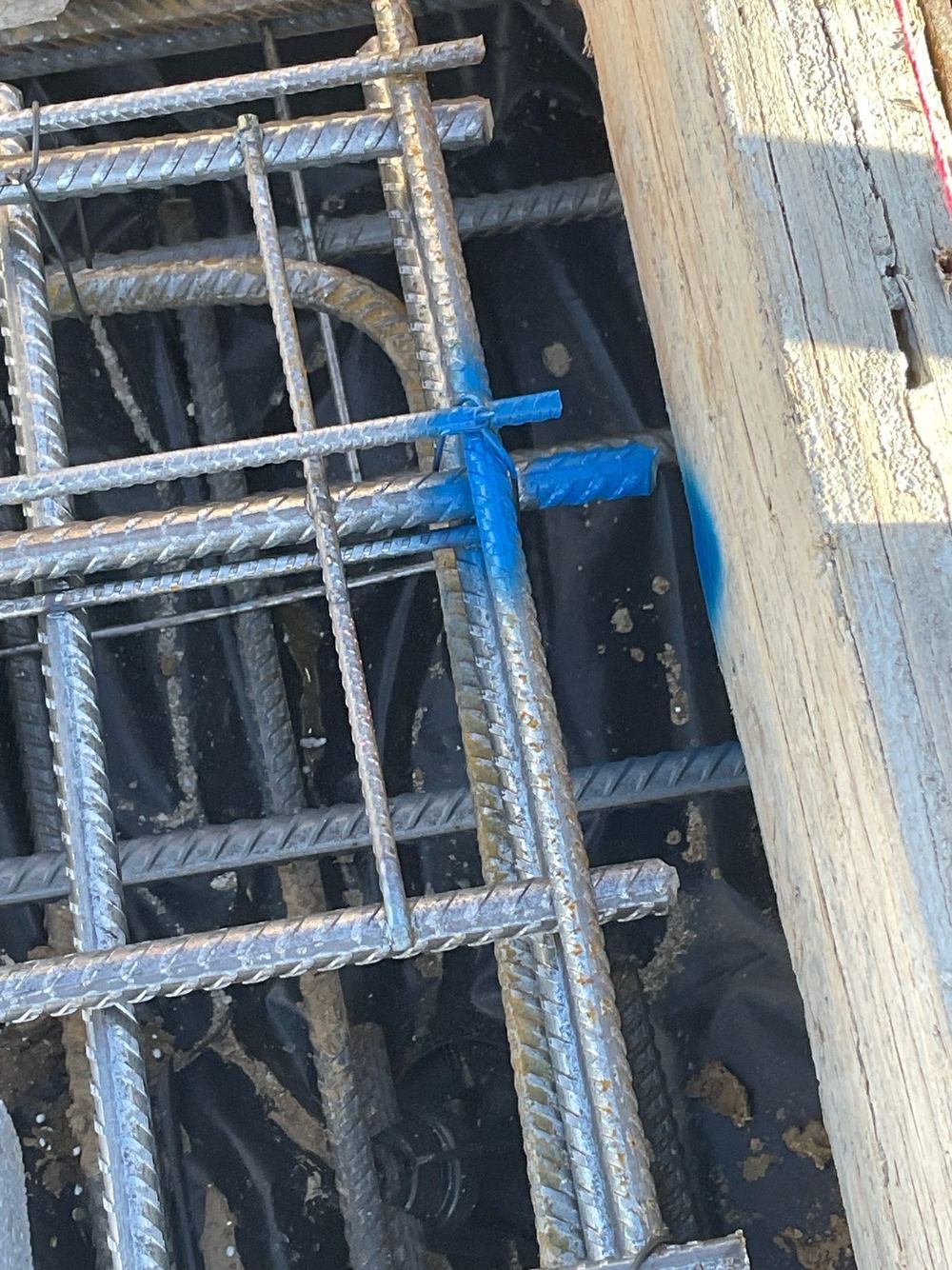
On deep or reactive Tarneit sites the engineer specifies bored piers under the slab. They are inspected after drilling and steel placement, in the hours before concrete goes in.
Tarneit sits on reactive Werribee Plains clay over basalt. Where the soil report calls for piers, their depth and founding material carry the house. Once concrete is poured nothing here can be verified, and an undersized or shallow pier shows up years later as slab movement.
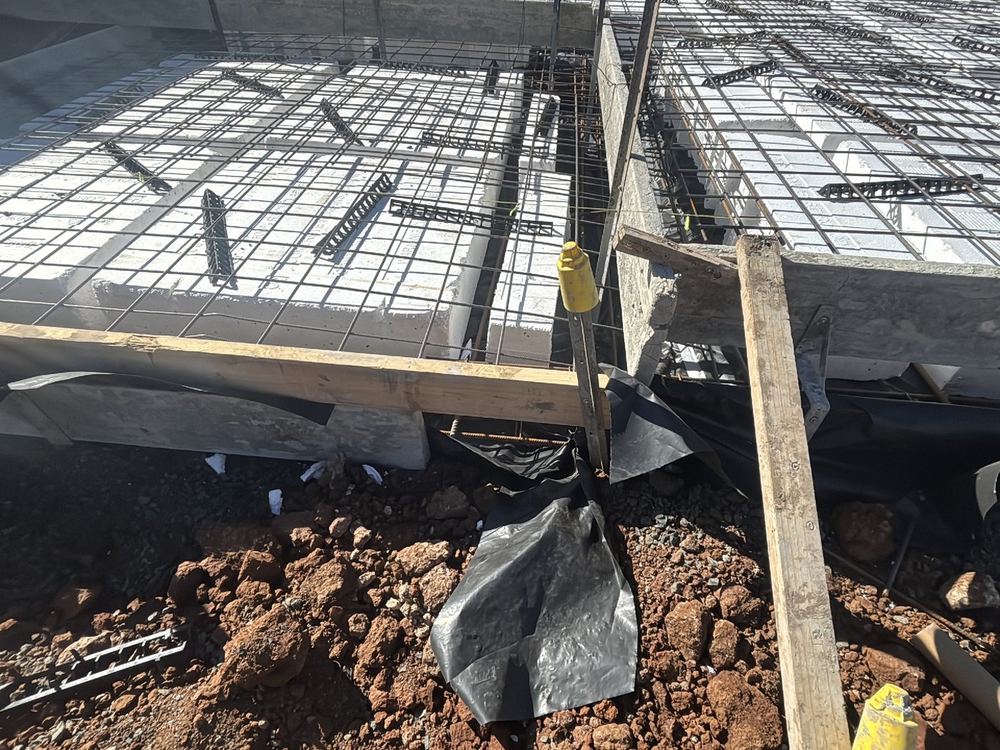
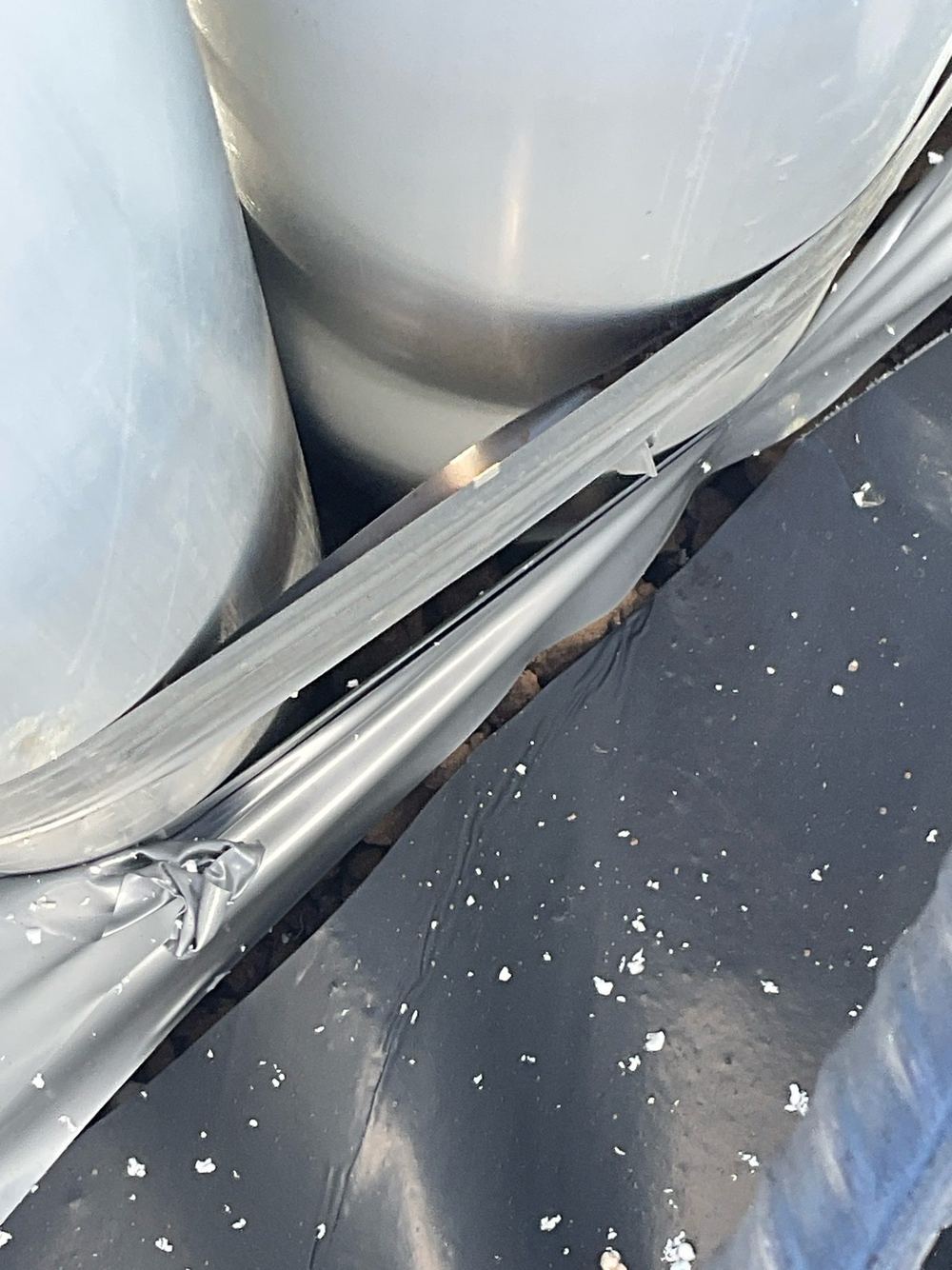
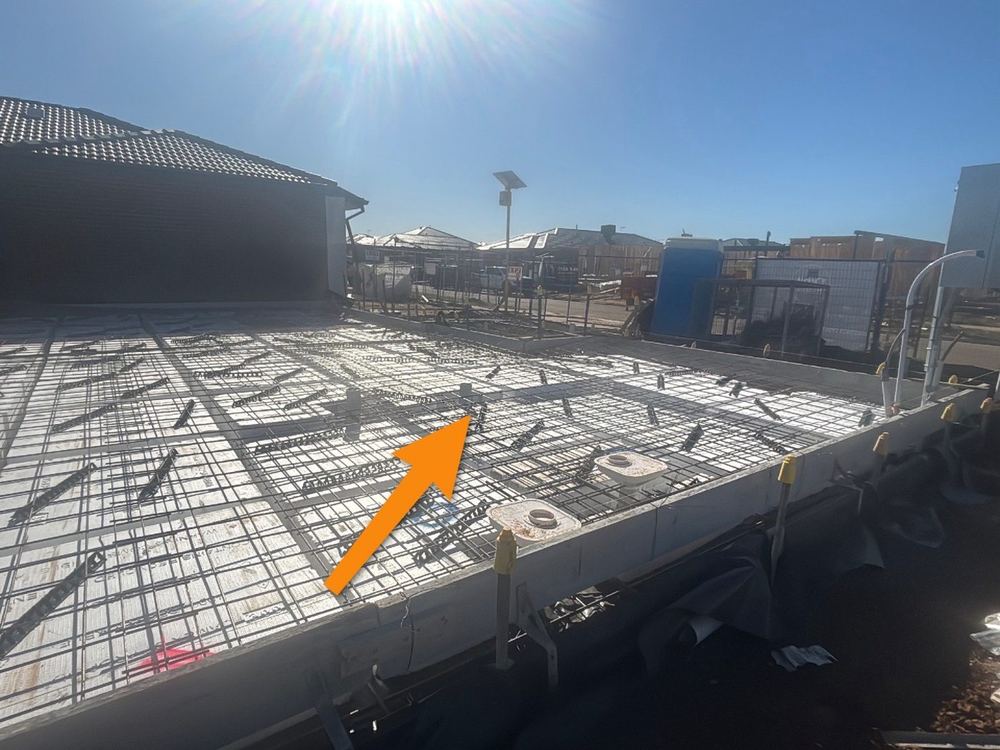
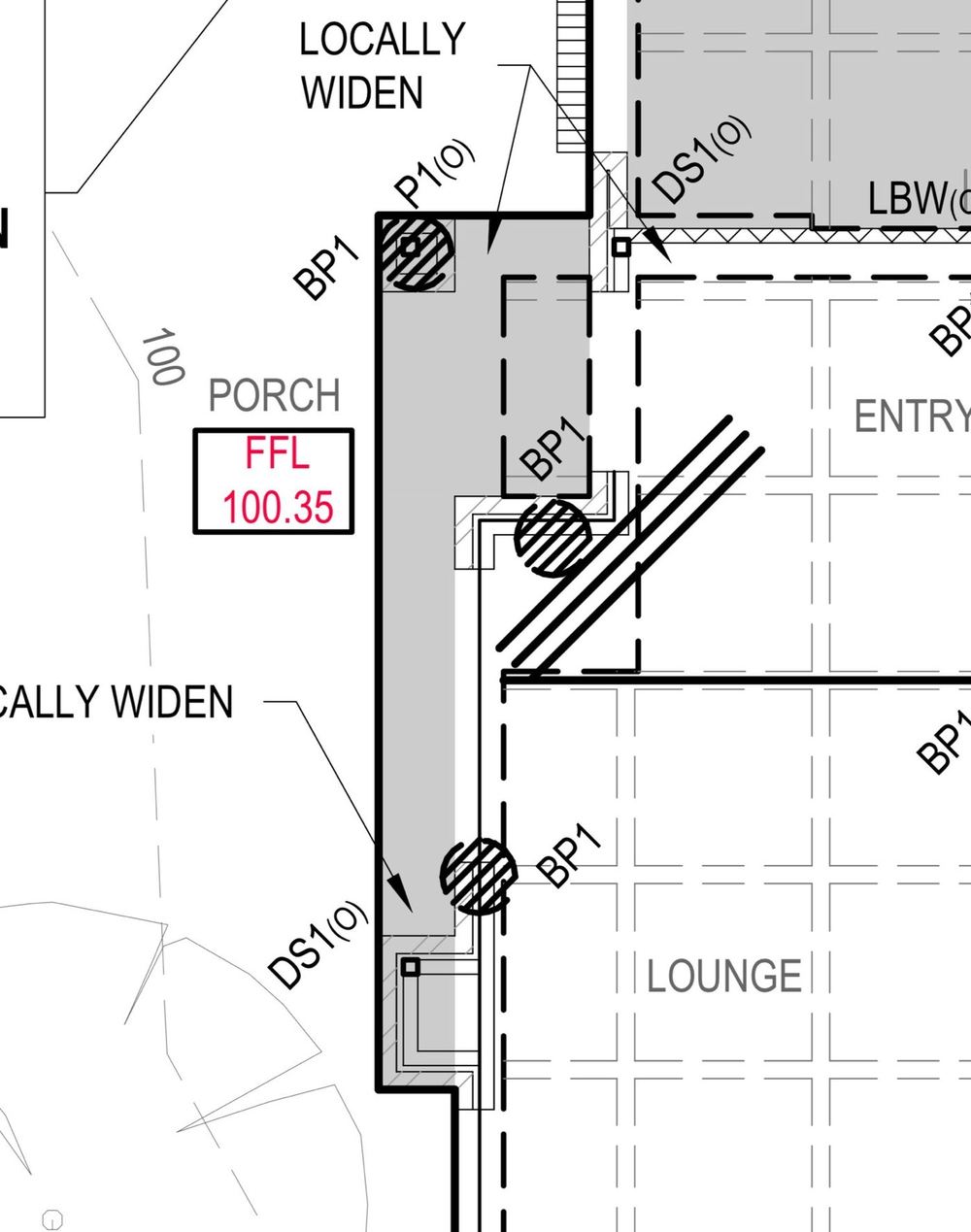
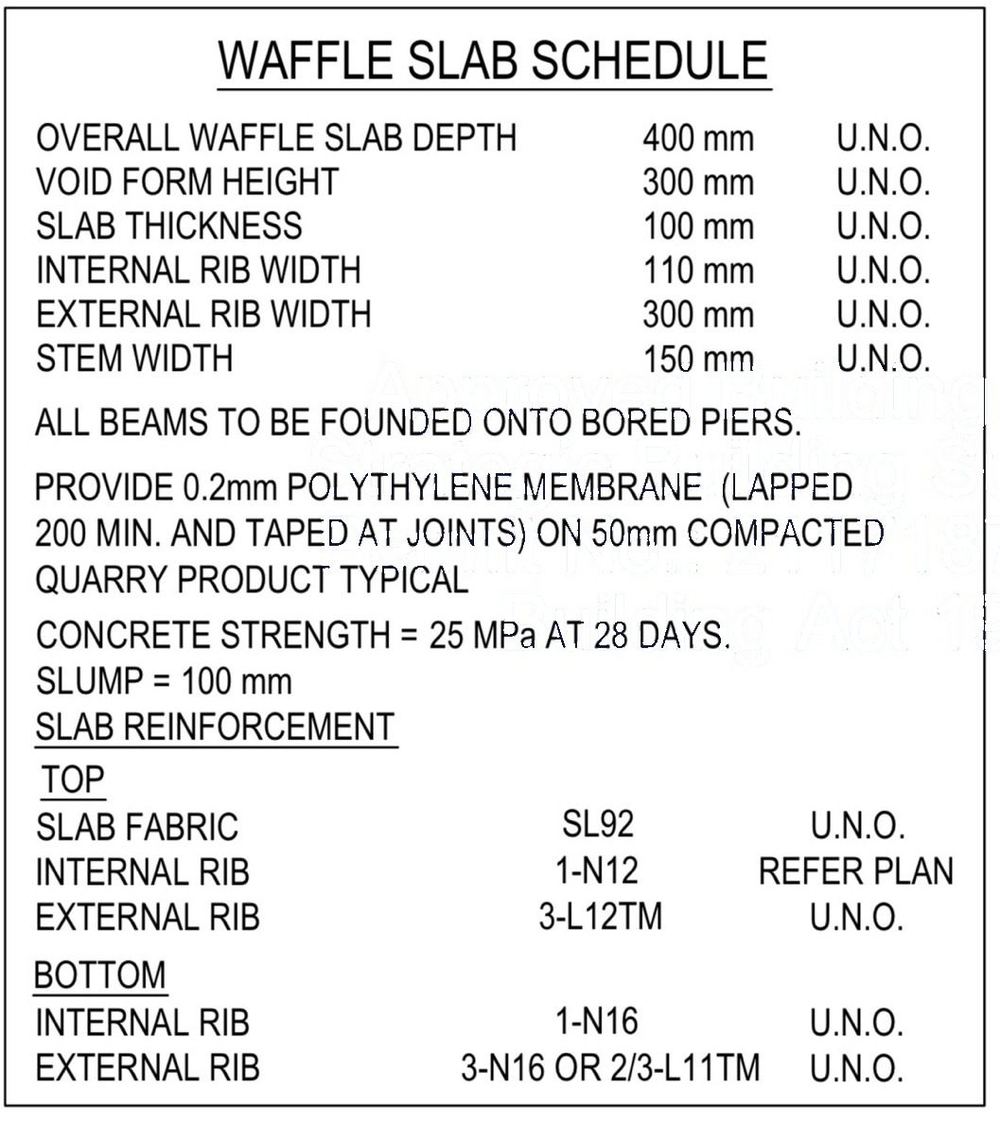
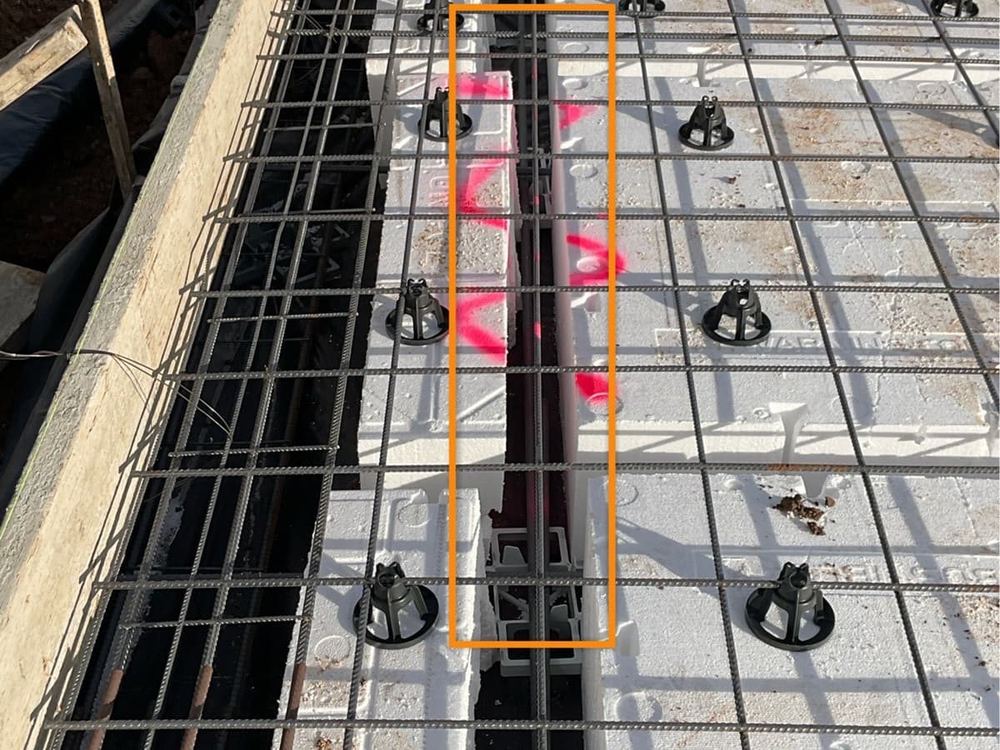
Annotated findings from Bored piers inspections on Tarneit builds. Client addresses withheld.
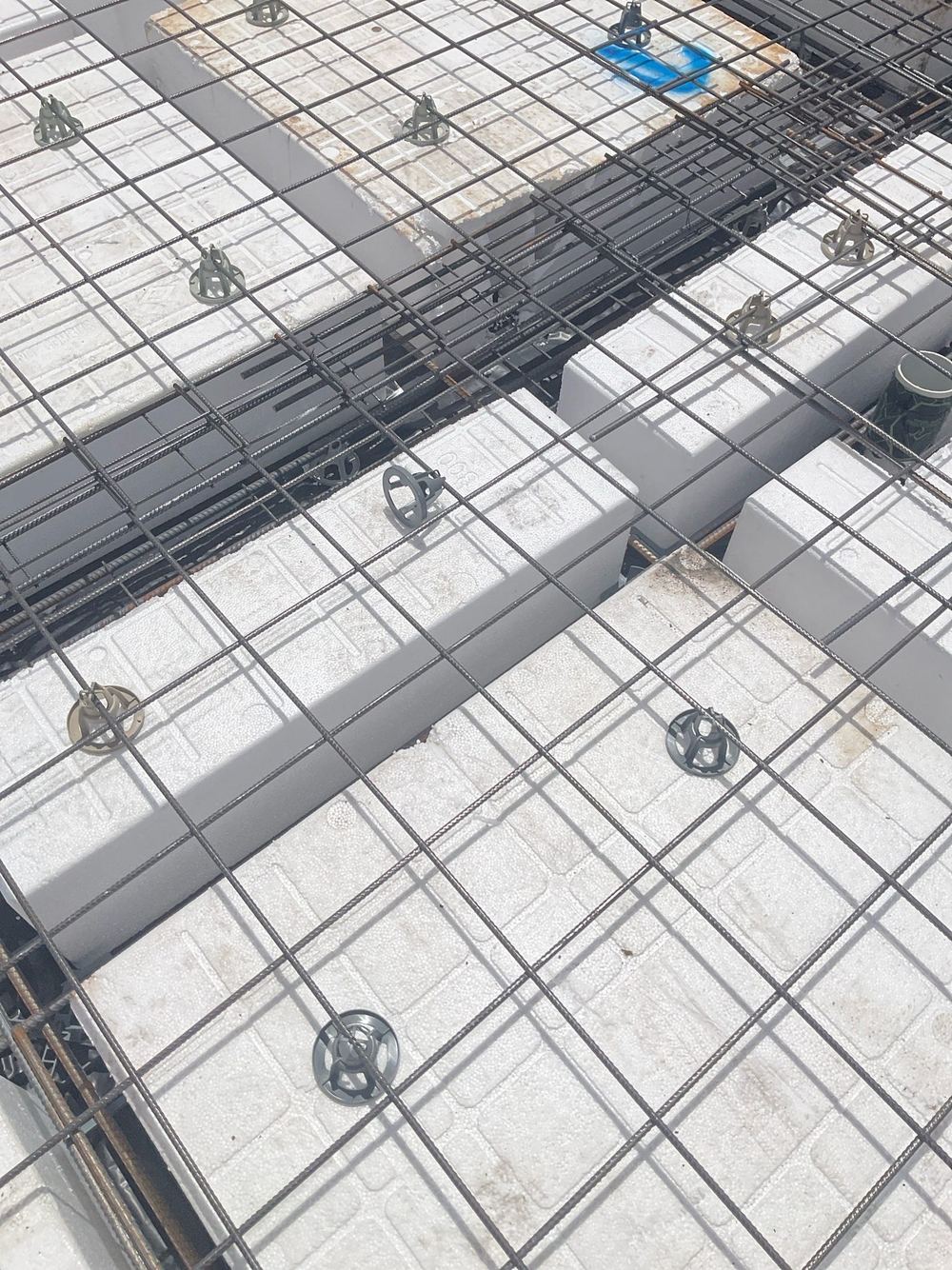
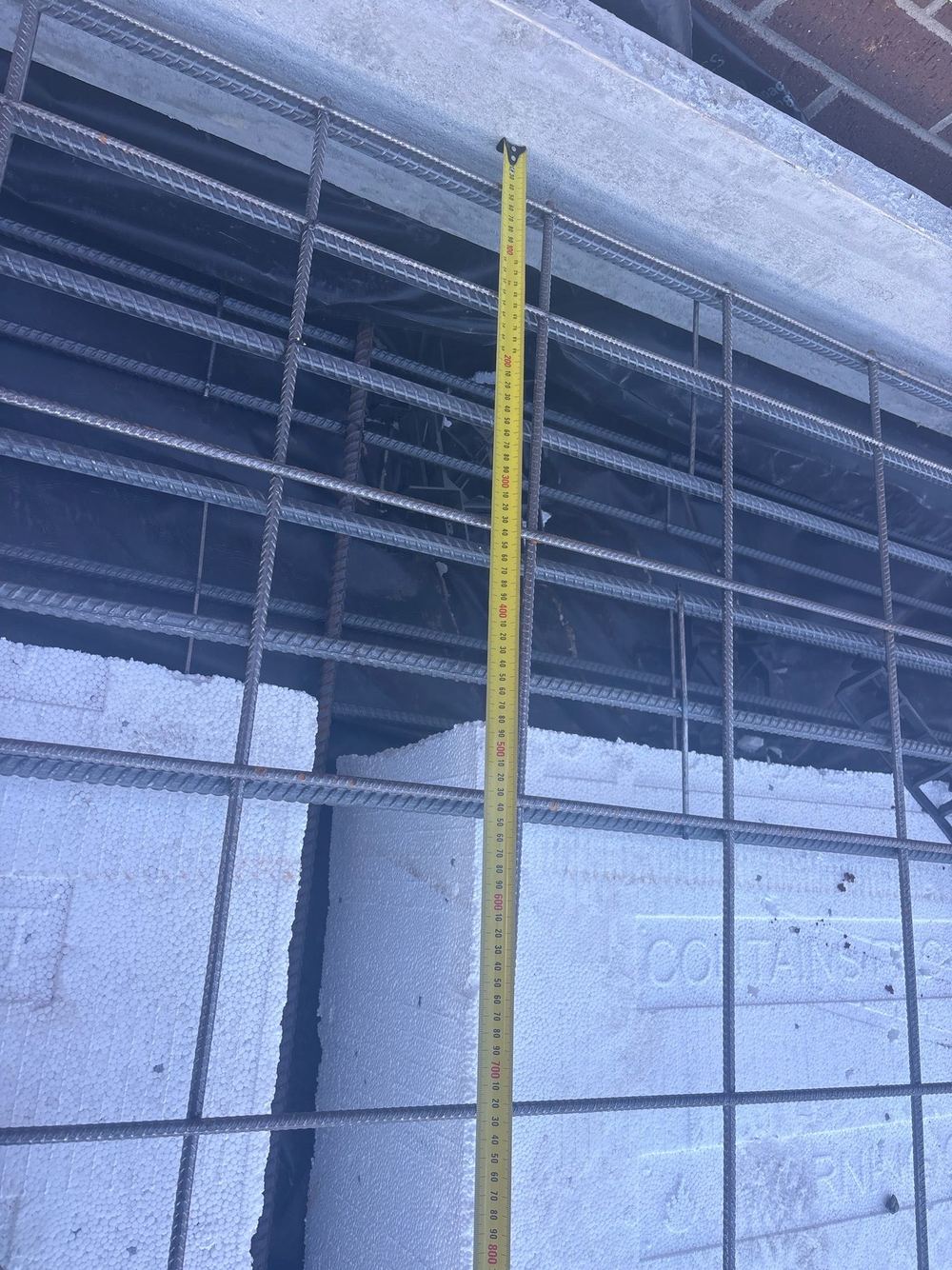
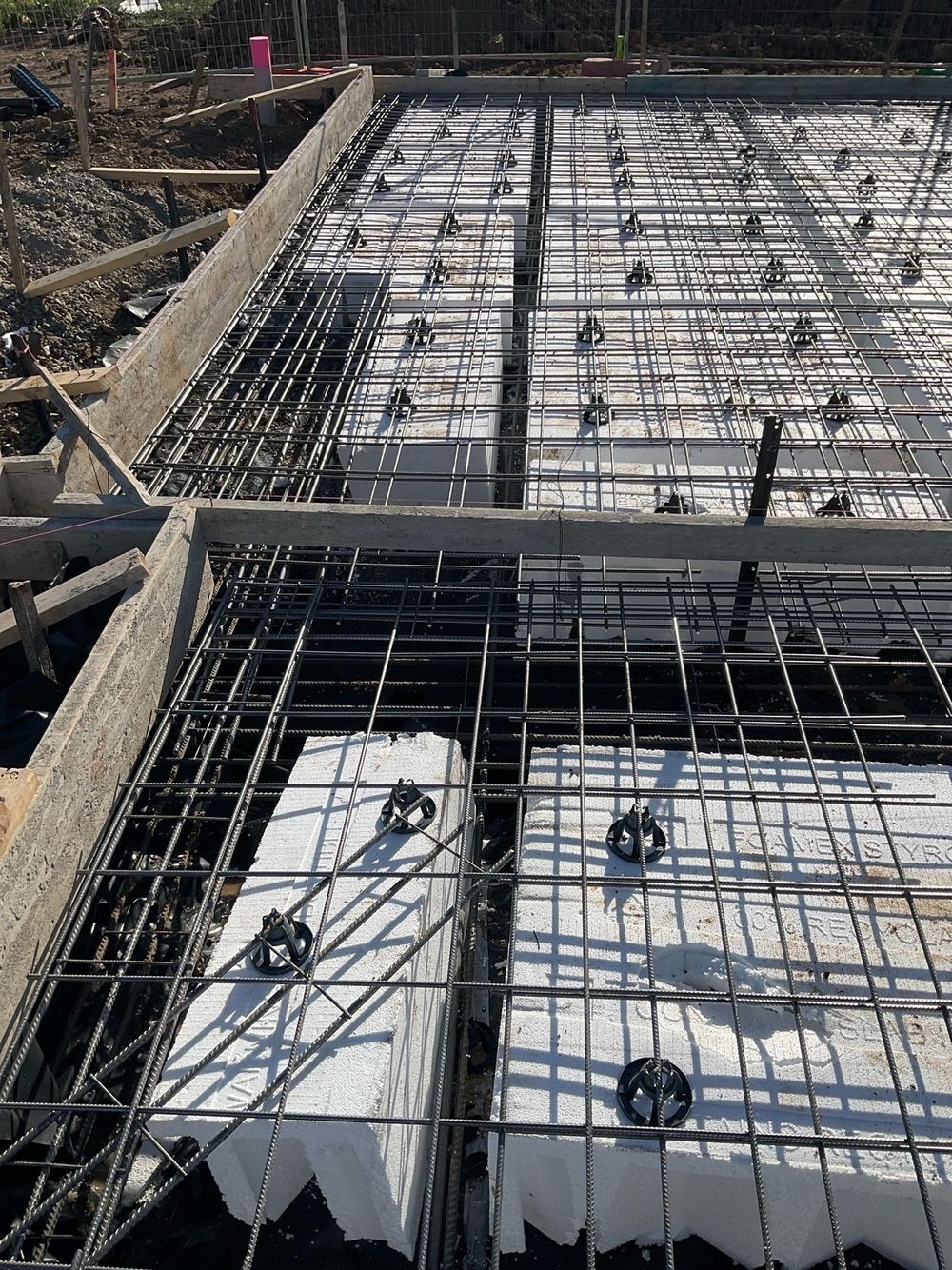
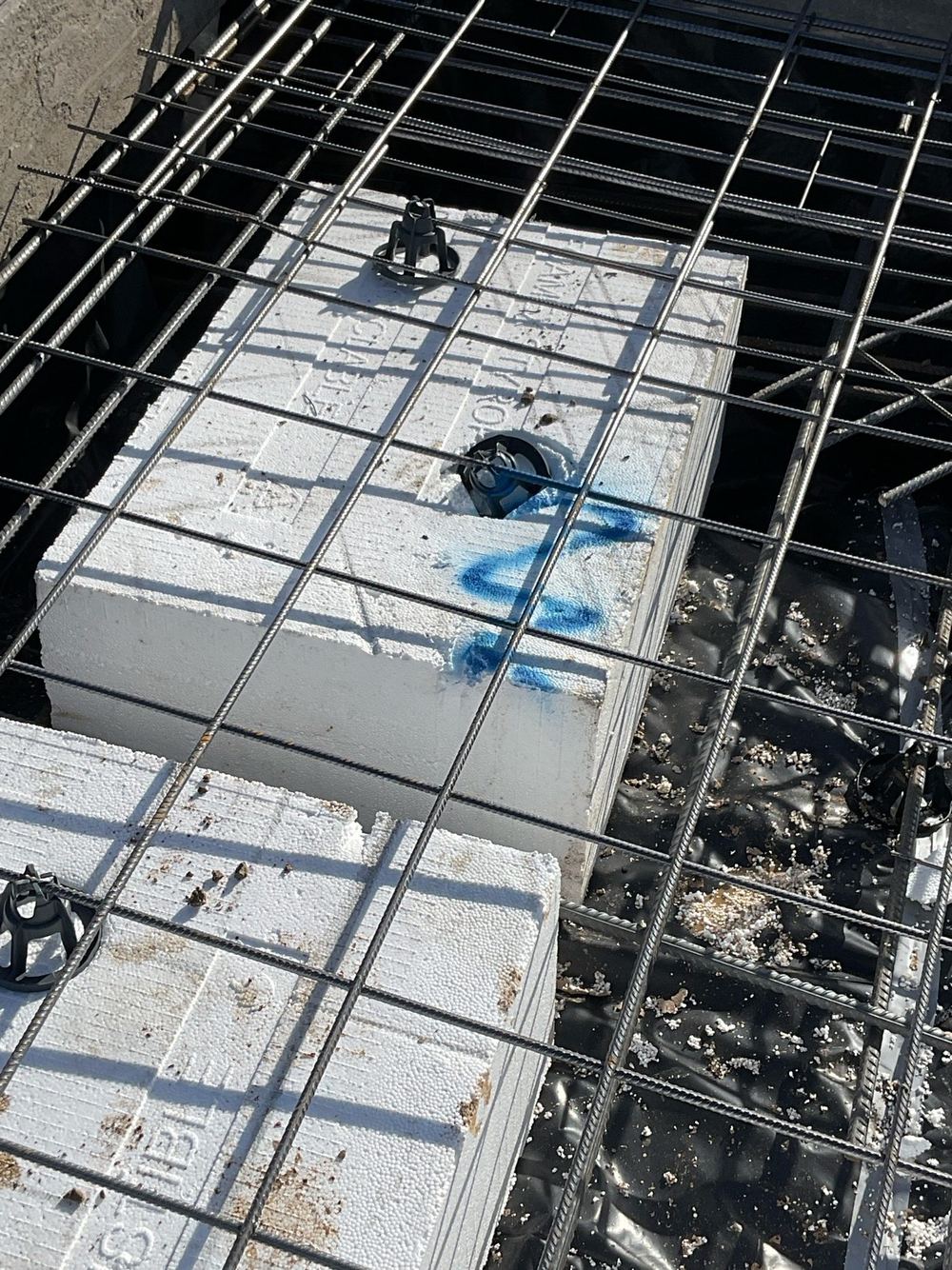 2Slab pre-pourThe day before the concrete pour
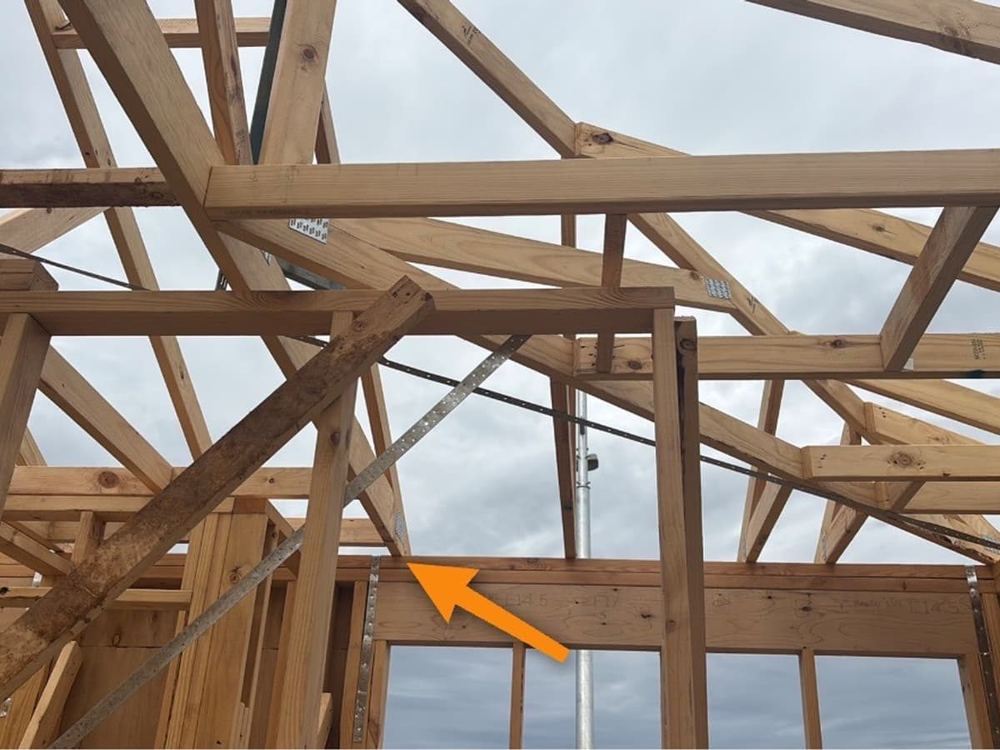 3FrameAfter roof trusses are on, before wrap, sarking and roof cladding
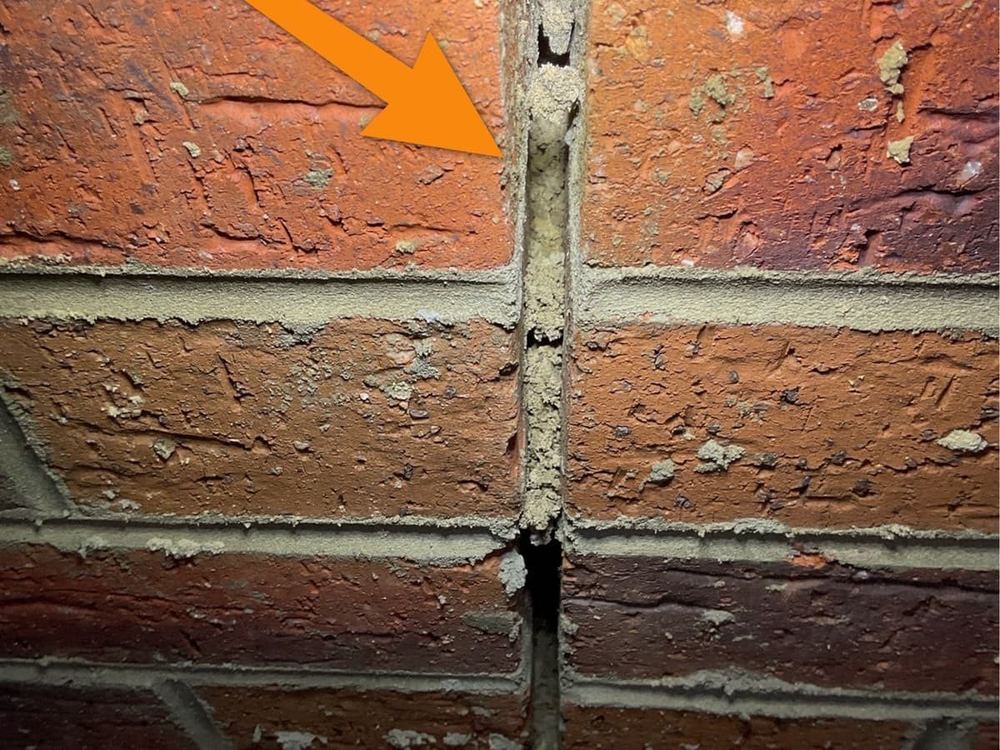 4Lock-up (pre-plaster)After brickwork, windows and roof are on, before plasterboard
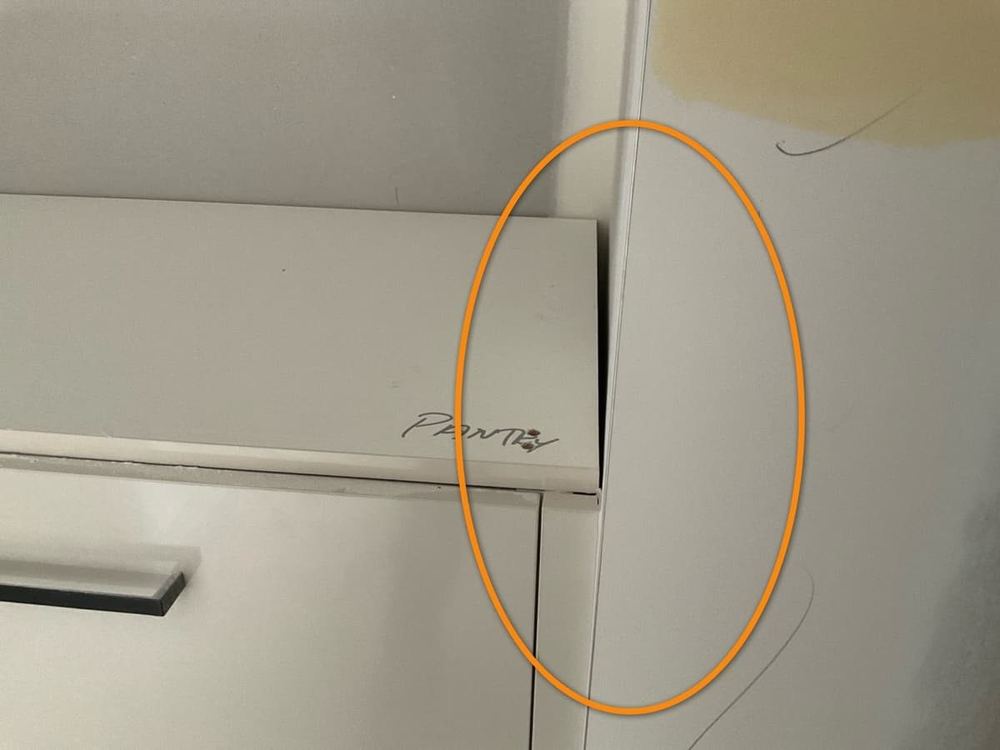 5FixingAfter plaster, doors and cabinetry are in, before paint
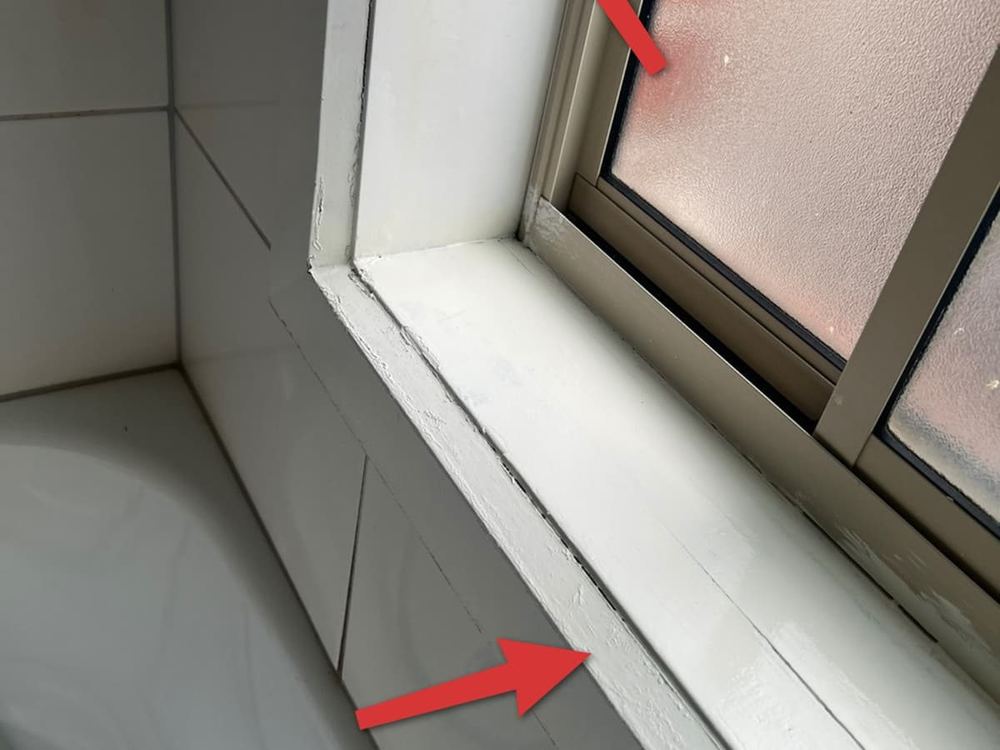 6WaterproofingAfter the waterproofer finishes, before the tiler starts
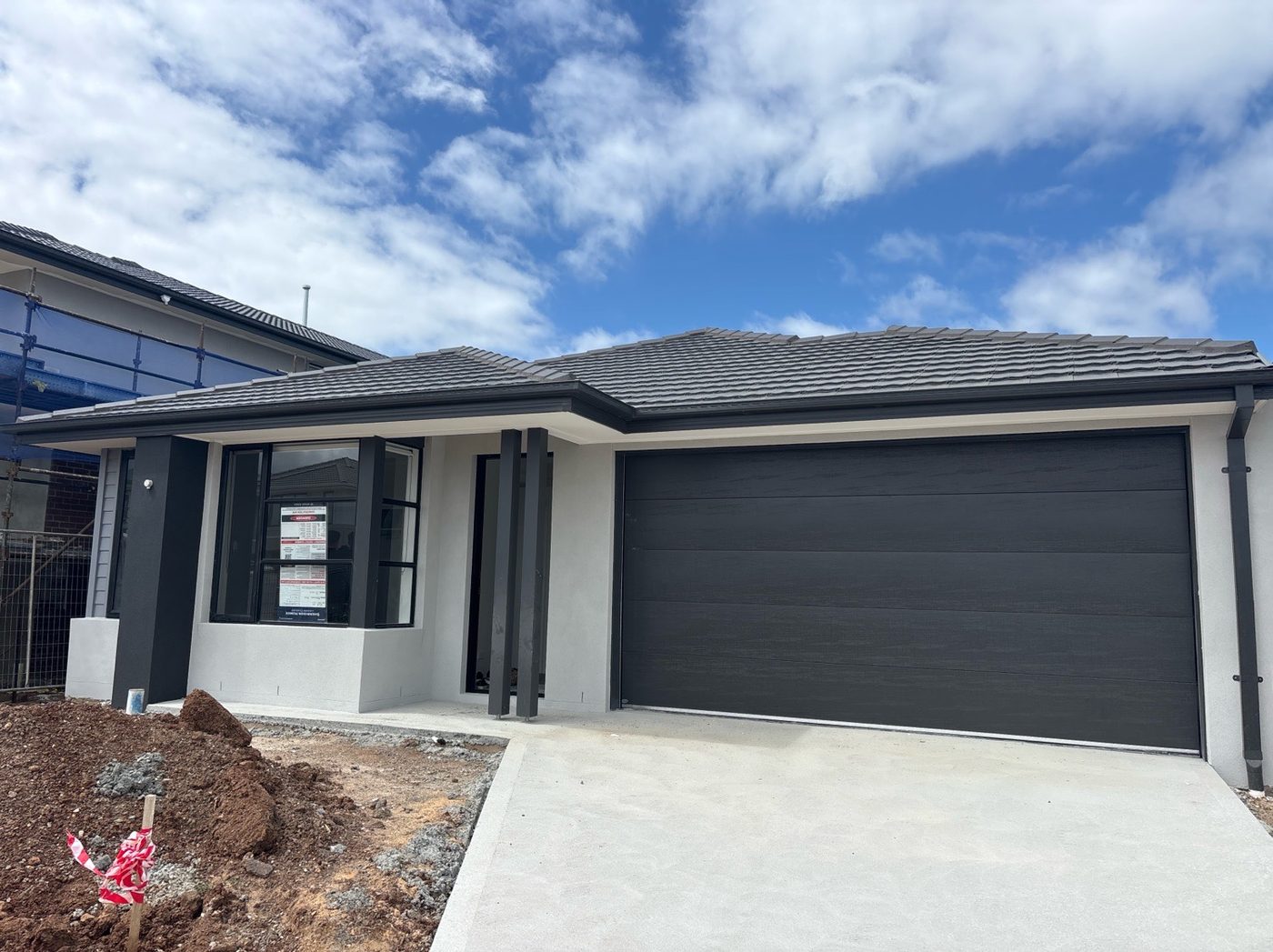 7Pre-handover (PCI)At practical completion, three to five days before the builder's walk-through
Slab, frame, lock-up, fixing and PCI: the right moment to inspect each stage and what is lost if you miss it.
Straightness, bracing, tie-downs, lintels and openings. The frame stage is the last time the structure is fully visible.
Flashings, wall wrap, brick ties and mortar joints at lock-up. Membranes, upturns and falls before tiling. Two checks that prevent most water problems.
Instant online pricing, or talk to the booking team on 1300 471 805.
No. It depends on the soil report and the engineer's footing design. Many Tarneit lots are a stiffened raft with no piers, while deeper fill or reactive sites call for piers or screw piles.
Check the engineering drawings for pier or pile schedules, or send us the plans and we will tell you.
That is common, so timing matters. Tell us as soon as the footing date is set and we will attend between drilling and the pour.